Hoppers (2026) Review
Hoppers might be the most self-aware Pixar movie yet. Not only is it full of references to past Pixar films – which will surely delight eagle-eyed fans of the famous animation studio – but it also directly lampoons the fact that it, at least partially, borrows its premise from Avatar. You see, in the world of Hoppers, people are able to transfer their consciousness into the robot bodies of various woodland creatures. When prickly, headstrong college student Mabel (Piper Curda) discovers this, she flatly points out how this is just like Avatar, much to the disapproval of the scientists who created the tech.
Of course, Hoppers isn’t actually Avatar. It is decidedly its own movie, an energetic blast of goofy energy packed with more twists and turns than one could ever expect. I mean it as a compliment when I say that it is Pixar’s kookiest movie in a very long time, willing to embrace mess for the sake of telling a timely, multilayered story.
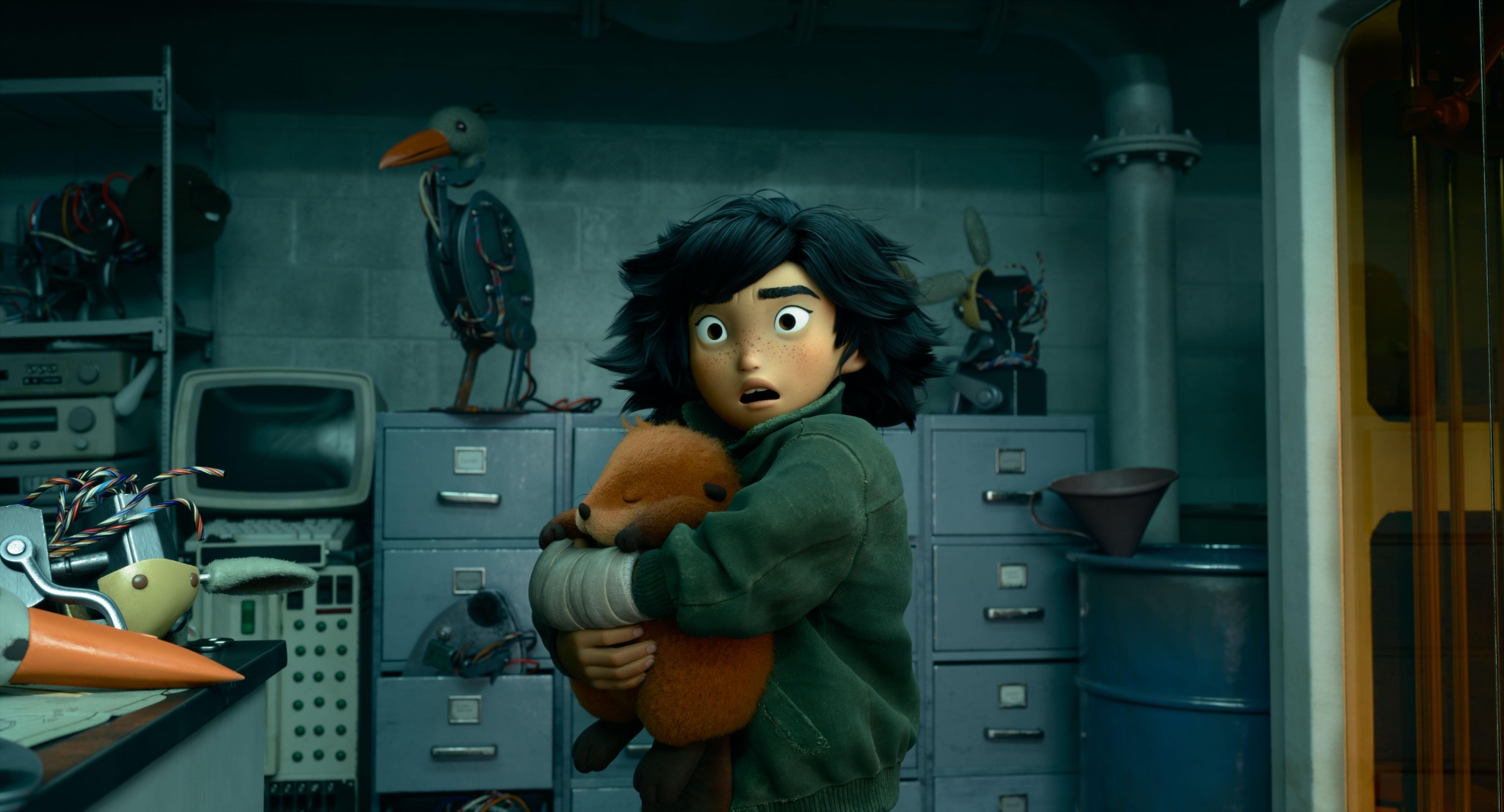
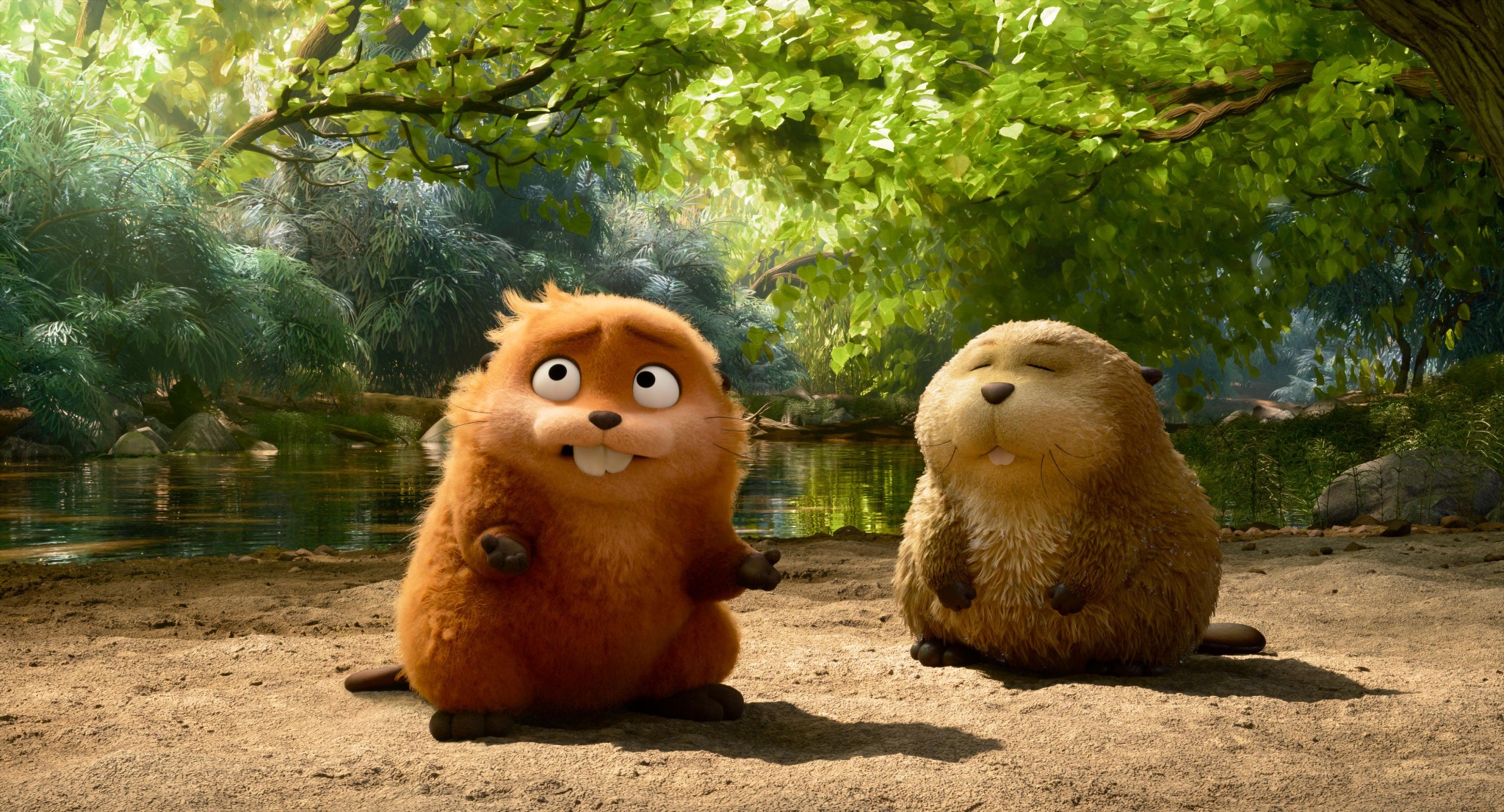
From a young age, Mabel has cared deeply for nature, particularly when it comes to a specific glade populated by beavers, squirrels, fish, and all kinds of wildlife. She got this passion from her grandmother (Karen Huie), who saw early on that she could quell Mabel’s temper by showing her the beauty and serenity of the outdoors. The glade was their special place, right up until Grandma’s death.
In the present day, the glade is about to be paved over to service a new highway, courtesy of self-serving Mayor Jerry (Jon Hamm). Though she’s seemingly the only one who cares, Mabel refuses to let the glade go, waging war against Jerry in a valiant attempt to save her special place, even though all the animals have fled the area. This leads her to the aforementioned tech created by Dr. Sam (Kathy Najimy), which was primarily made to study beavers in their natural habitats without interfering.
Of course, impulsive Mabel only sees a way to bring back the animals, so she hijacks the project and “hops” into the body of a beaver, kickstarting a wild adventure across the wilderness. Mabel believes it’ll be simple enough to get the glade back in order, but as she travels deeper into the forest, she soon learns there’s a lot more going on in the animal world, like hierarchies and established rules maintaining a crowded coexistence.
Based on that description alone, you probably have a good idea of where Hoppers will go. Trust me when I say, you’re not prepared for what director Daniel Chong has in store. Once Mabel finds herself at a council meeting for all the leaders of the various animal populations, the movie takes off like a shot and doesn’t let up. Hoppers is at turns silly and serious, uplifting and surprisingly dark. It doesn’t always handle the tonal shifts well, but there’s so much going on that there’s no time to examine the cracks too closely.
Mabel is a flawed character, one viewers can likely empathize with while wanting to wring her neck. That willingness to make her both frustrating and relatable feels subtly radical for a Pixar movie, and her arc is a fascinating one. Curda voices her with a fast-talking vibrancy that feels very aligned with past Disney protagonists. Her primary ally in her quest is the beaver king George, voiced by Bobby Moynihan in sweetly earnest fashion. Hoppers’ supporting cast is stacked, with performers like Sam Richardson, Aparna Nancherla, Dave Franco, Ego Nwodim, and Meryl Streep further expanding this world.
It likely wasn’t the filmmakers’ intention to make Hoppers a political movie, but it’s hard not to see shades of current events in the animals’ struggle to reclaim their own land and Mabel’s pointed doubt in the inherent goodness of people. This movie’s perspective on good vs bad isn’t nearly as cut-and-dry as it is with typical Disney movies, and that, above all else, seems to prove it really is a product of its time. Hoppers wears its heart on its sleeve in all its giddy, quirky glory, making it a keen reminder of how Pixar excels when it embraces originality.